Commerce has no borders. Why do prices?
 Boluwatife Akinade, Head of Product ·
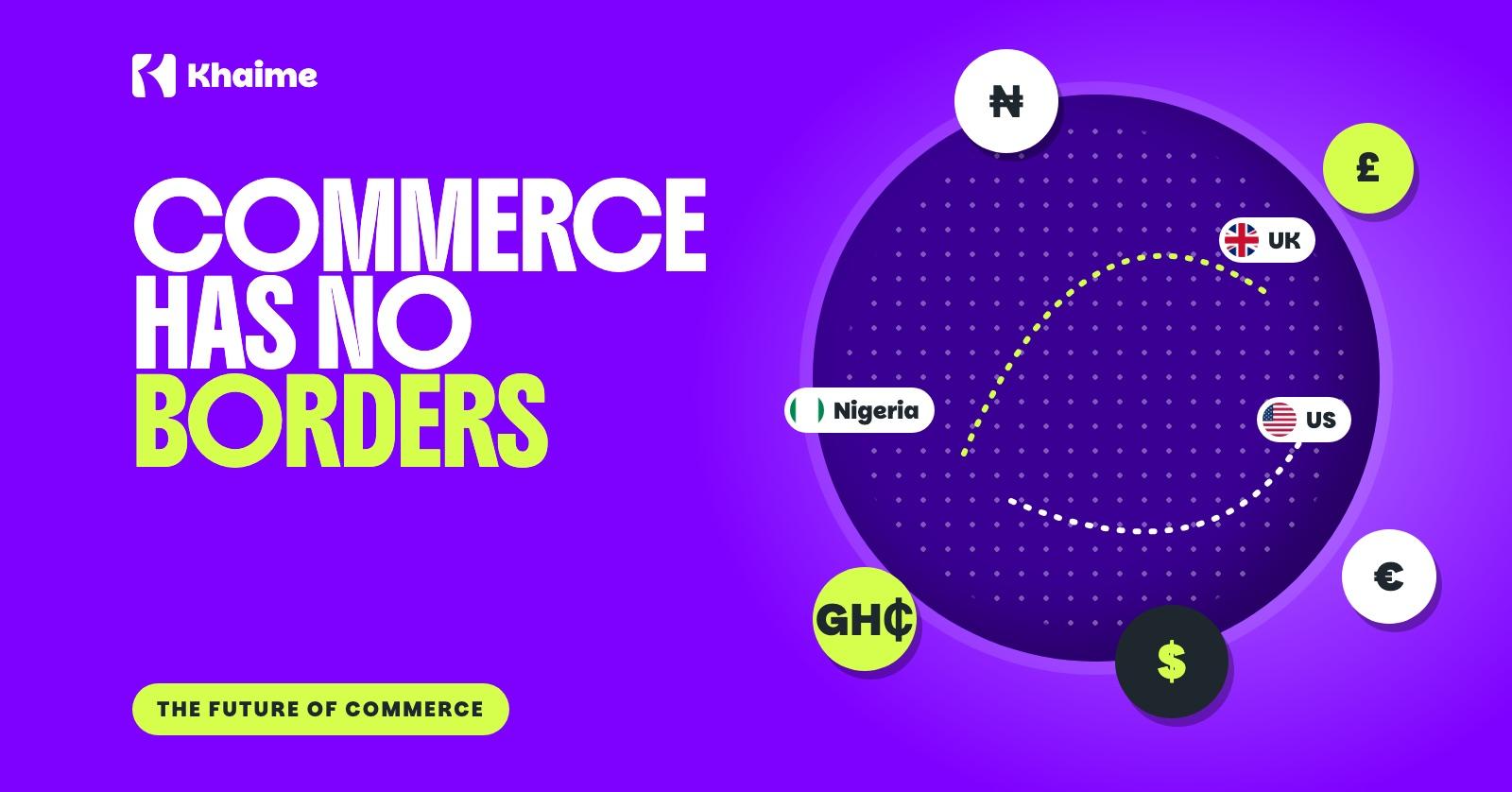
A weaver in Kumasi can make something a shopper in Brooklyn will love. The product can ship in a week. The bottleneck is the payment: the price is in the wrong currency, the card gets declined, and the buyer leaves.
Commerce has no borders. Prices still do.
Great products, stuck at the checkout
Many small businesses sell by hand, in one time zone, over WhatsApp and Instagram messages. They lose margin on every sale abroad to conversion and fees, and a buyer's first look at the price is often a mental sum in a currency they do not use daily.
That friction is invisible in a spreadsheet and brutal in practice. Every extra step, every unfamiliar currency and every "we will confirm the rate" message gives the buyer a reason to stop.
A shopper should see a price they understand and pay the way they already do. Everything else is friction.
Why this matters even more with agents
When an agent shops for a person, it compares offers side by side. A price in a currency the agent cannot interpret, or a payment route it cannot complete, looks like a risk. The agent moves to the next option.
Businesses that show clear prices in the shopper's own currency and offer a payment path that works for them are easy to recommend. In a world where agents compare in seconds, that is a real edge.
What borderless commerce needs
- Prices in the buyer's currency. Shown clearly, so there is no mental maths.
- Local ways to pay. The methods people actually use where they live.
- Honest totals. Delivery, fees and taxes visible before payment, not after.
- Reliable settlement. The business gets paid in a way that works for it.
- Clear delivery promises. What arrives, where, and roughly when.
The hidden costs of staying local
- Lost sales. Buyers abroad who cannot pay easily simply leave.
- Lost margin. Awkward conversion and manual quotes eat into what you earn.
- Lost time. Every cross-border order that needs a back-and-forth is time not spent on the business.
- Lost visibility. If an agent cannot complete the payment route, it will not suggest you.
What to do now
- Decide which markets you want to sell into first.
- Show prices in those buyers' currencies.
- Offer the payment methods people there trust.
- Show shipping and total cost up front.
- Test the whole journey as a buyer abroad would.
How Khaime helps
Khaime lets a business show prices and get paid in 120+ currencies, with local payment options, so a shopper anywhere sees a price that makes sense. Khai, our AI agent, can answer questions in the buyer's language of the moment and take them to payment. A store is part of it, by the way, but the goal is simple: let anyone buy from anyone.
Common questions
Do I need a company abroad to sell abroad?
Not necessarily. What you need is a way to show prices and accept payment that buyers there can use. Your payment provider and local rules will shape the details, so check what applies to you.
Why not just quote prices in dollars?
It works for some buyers, but many prefer their own currency and local payment methods. Showing what they already understand reduces drop-off.
How do agents handle currencies?
They compare offers, and clear prices in a recognisable currency are easier to compare than vague ones.
Is selling abroad only for big brands?
No. Small businesses with a distinctive product often do best, because the product is what the buyer is after.
The short version
- Buyers leave when prices and payments feel foreign.
- Agents compare in seconds, so clear prices and working payment routes win.
- Commerce has no borders. Your checkout should not either.
Commerce that
runs itself.
Get your business ready for AI agents. They can find it, understand it and pay for it, and Khai answers your customers while you sleep.